
Spätzle isn’t a dish that I grew up eating. My German grandma never made it — at least not after I was born — probably never. She was born when being German-American was looked down upon and even dangerous. As a result, she denounced her own heritage long before I was born.
When I was a teenager, my mom became curious about our German heritage. My grandma gave her a handwritten notebook full of family recipes that her own grandmother had passed down many years before. Coming from a German ancestry that we do, Mom thought it odd there were no German recipes in this collection. It caused her to go on a cultural quest to learn about our heritage, specifically its food.
What is Spätzle?
Spätzle, a small egg dumpling (or noodle), was one of the first German dishes I remember her attempting. We ate it sometimes, but it wasn’t on the regular rotation of dinners. In a recent conversation with my mom, she admitted to being in awe of how easy it was to prepare. I felt the same when I first made the dish.
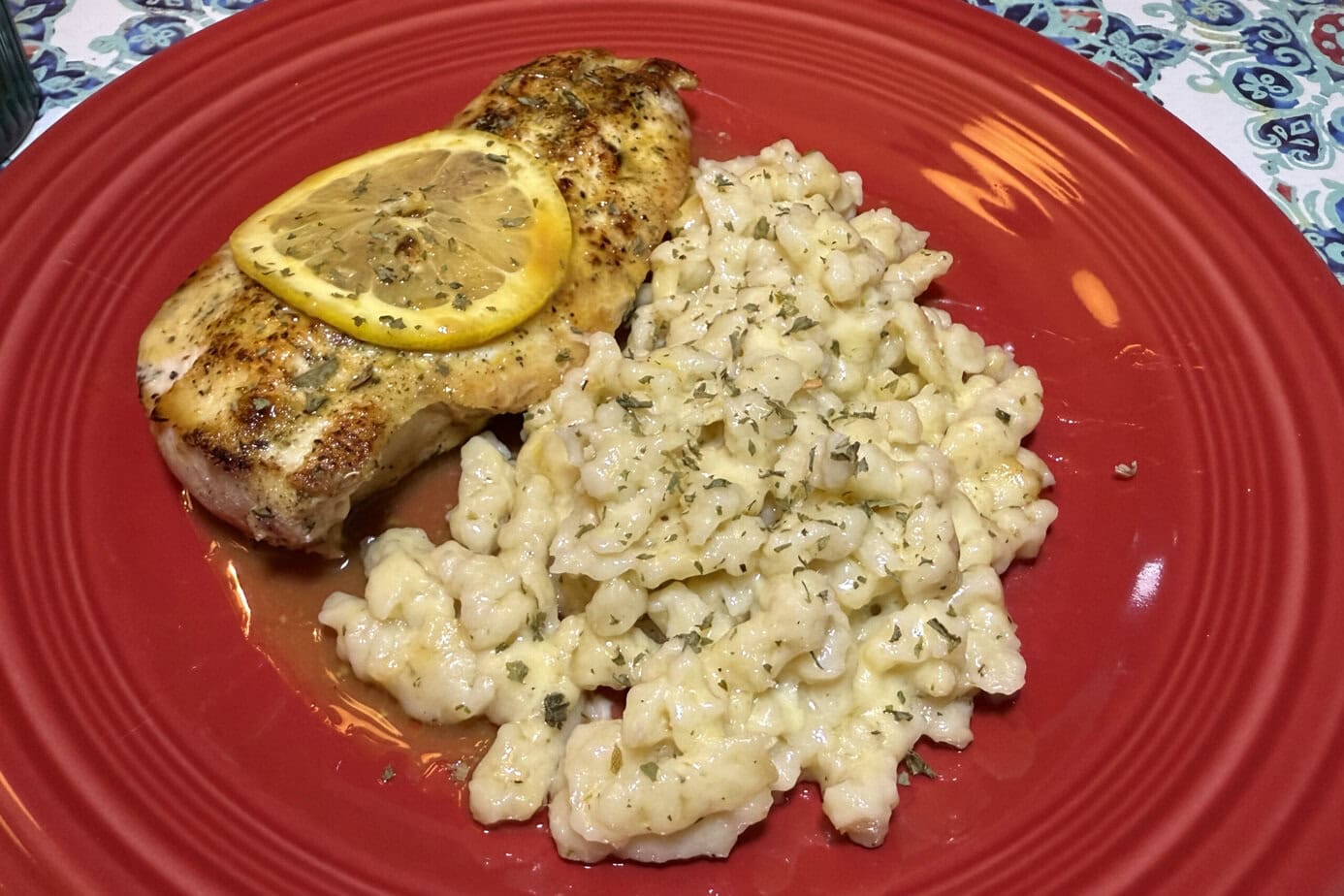
Spätzle has its roots in Swabia, an administrative region of Bavaria, where a good portion of my ancestors originated. It is that connection that caused me to pick up a spätzle maker at an antique store one day 20 years ago and set out in my mom’s footsteps. Mom dug into the food, but I was curious about the country and its people. So, I began my quest. Food is just where it began.
Around since medieval times, spätzle likely found its way to a farmer’s plate as a way of stretching thin resources. Early versions of the spätzle dough used flour from spelt, an ancient grain, and water. A very simple recipe to sustain on meager means. Eggs and wheat flour became additions to the dough when they became more readily and easily available. The eggs provide a richer, fuller flavor and texture to the dumpling.
Variations exist in the dough recipes. Eggs and wheat flour became additions to the dough when they became more readily and easily available. People can mix many ingredients into the dough. Liver is a popular ingredient, giving way to leberspätzle. The liver gives the spätzle a more earthy flavor. The dough can also include garlic, vegetable juices, and even grated apples.
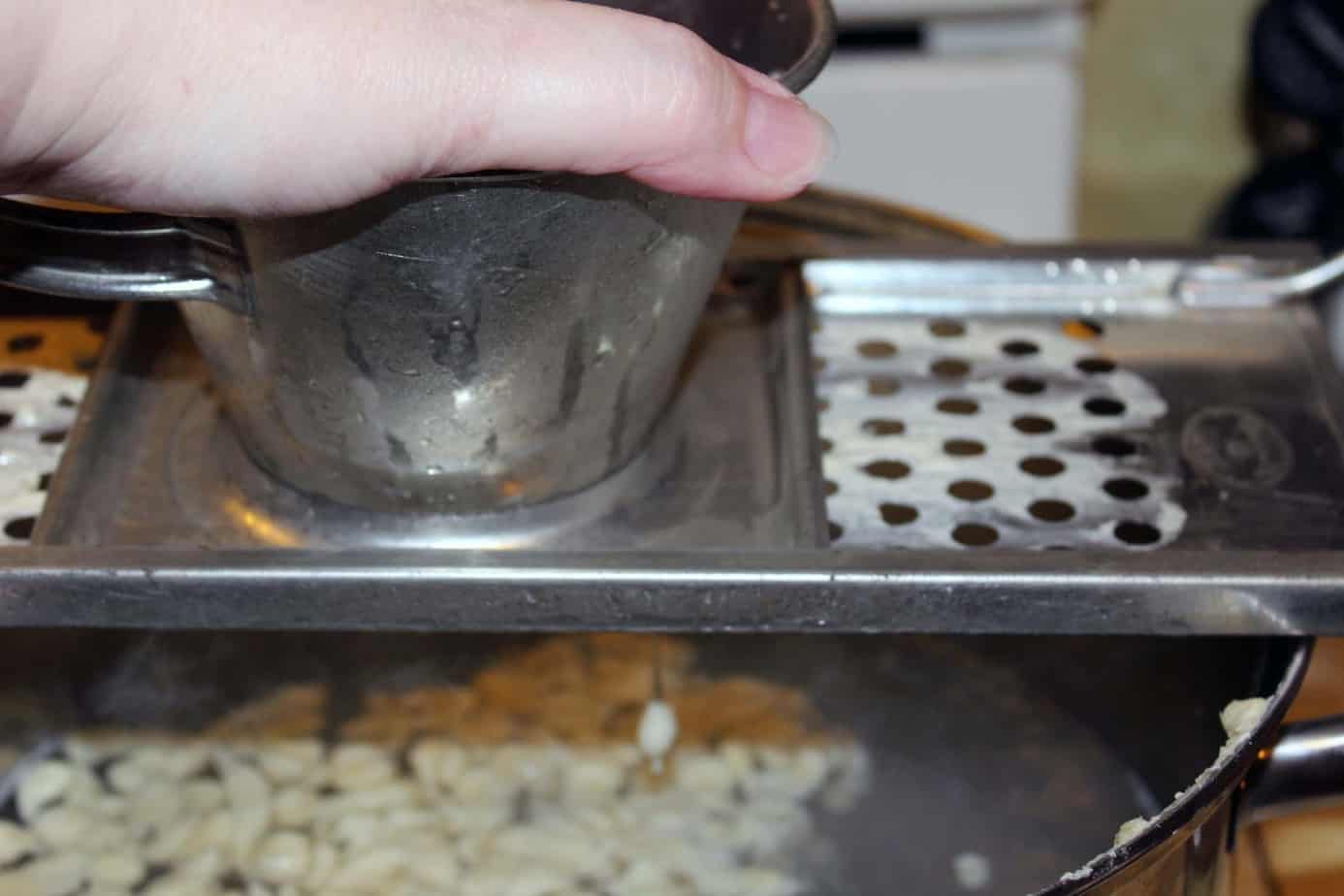
The preparation of the dumpling itself can also differ. Some people scrape the dough from a wooden board or plank into boiling water. This is impressive to watch — it takes more skill than it seems. This was also likely the original way of preparing the dumpling. My preferred way is by using a spätzlehobel – a planing-type device where you push the dough through small holes, like a cheese grater, to make uniform small dumplings. Pressing is also common, but this makes longer strand-like noodles.
You finish Spätzle in a skillet with butter, then serve it as a side dish. Regional variations in the final preparation also exist. Käsespätzle is my favorite version. It’s almost like a German macaroni and cheese. The dumplings are pan-fried in butter and then topped with grated cheese – like Emmentaler. Then top the cheesy dumplings with caramelized onions or, like at my house, sometimes crispy fried onions. I also love spätzle topped with a rich mushroom sauce, served alongside venison or beef. It is a recipe that can be your own in so many ways.
The dough is simple. The process is simple. You can make a lot in a short amount of time. You can also make this ahead of time when you need it – refrigerate it for a few days or freeze it for a few months. When you make some at home, make extra to freeze. It is a quick side dish on a busy night.
While my grandma didn’t make spätzle, it’s really hard for me to believe some version of it didn’t cross the ocean with my ancestors. We weren’t poor, by any means, but there were still a lot of mouths to feed in our early settler families. Spätzle would have been a dish that could feed many people on very few resources. There are spätzle recipes in old church and community cookbooks from the regions where my German ancestors settled. So, for now, I will take that as some sort of proof that at least one of my great-grandmothers set a dish on her kitchen table for her family.
Spätzle is a dish that was lost to more recent generations in my family, like so many other German foods and traditions. For me, making spätzle is about connections to my roots, the same roots that arrived in the early 1800s and started growing the families that led to me.
How to make Spätzle
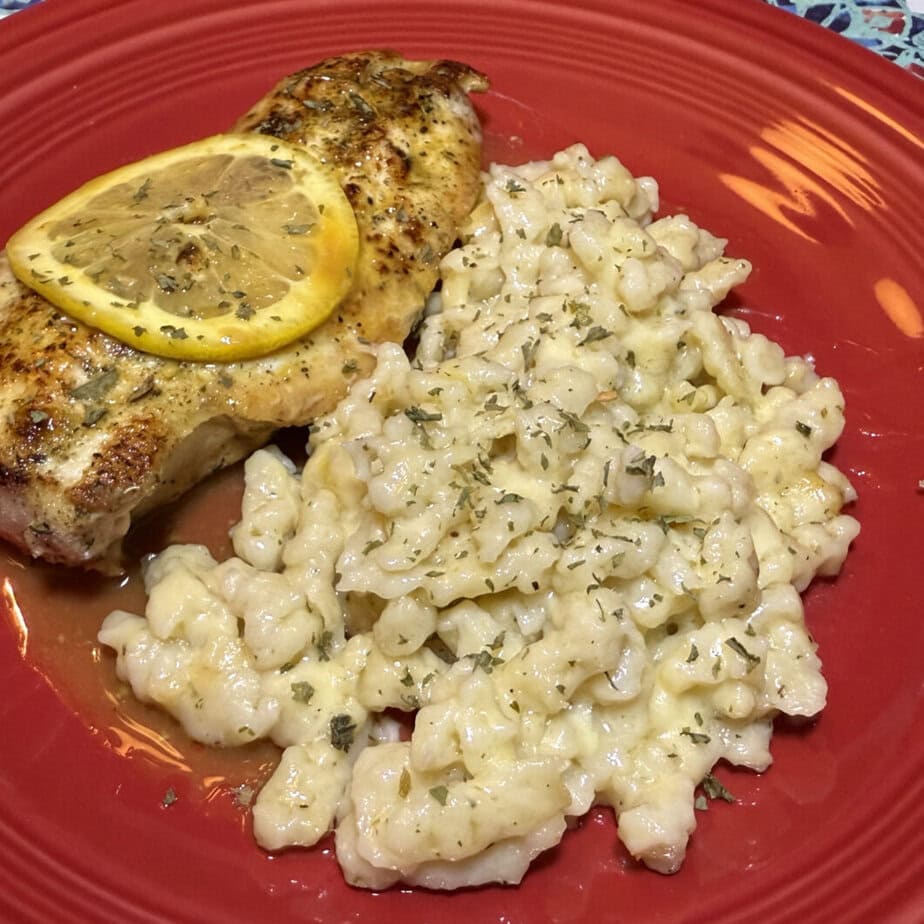
Homemade Spätzle: A German Comfort Food That Connects Me to My Roots
6
servings50
minutesIngredients for Spätzle
2 eggs
1/3-1/2 cup water or milk (start with less and add as you need it)
2 cups all purpose flour
1/2 teaspoon salt or low salt seasoning
- For Cheese Spätzle
2 tablespoons unsalted butter
3 cups cooked spätzle
1 cup shredded Emmental cheese
1/2 cup crispy fried onions

Directions
- In a bowl, whisk together the eggs and liquid.
- While the dough is resting, fill a large pot with water and bring it to a rolling boil. Add a generous amount of salt to the water.
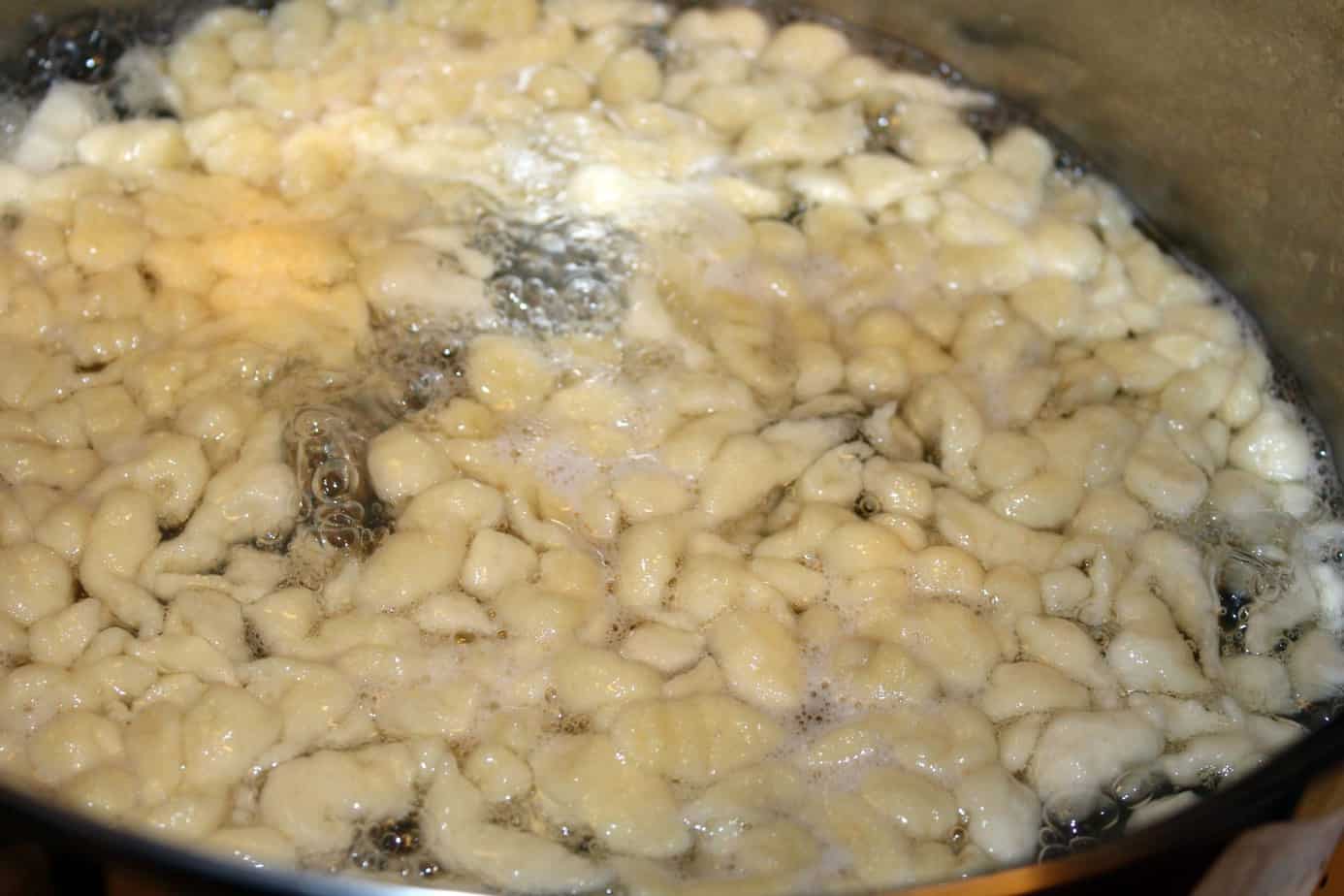
- Position your spätzle maker over the pot of boiling water. Working in batches, scoop a portion of the batter into the spätzle maker’s hopper, move the hopper back and forth to push the dough through the holes into the water.
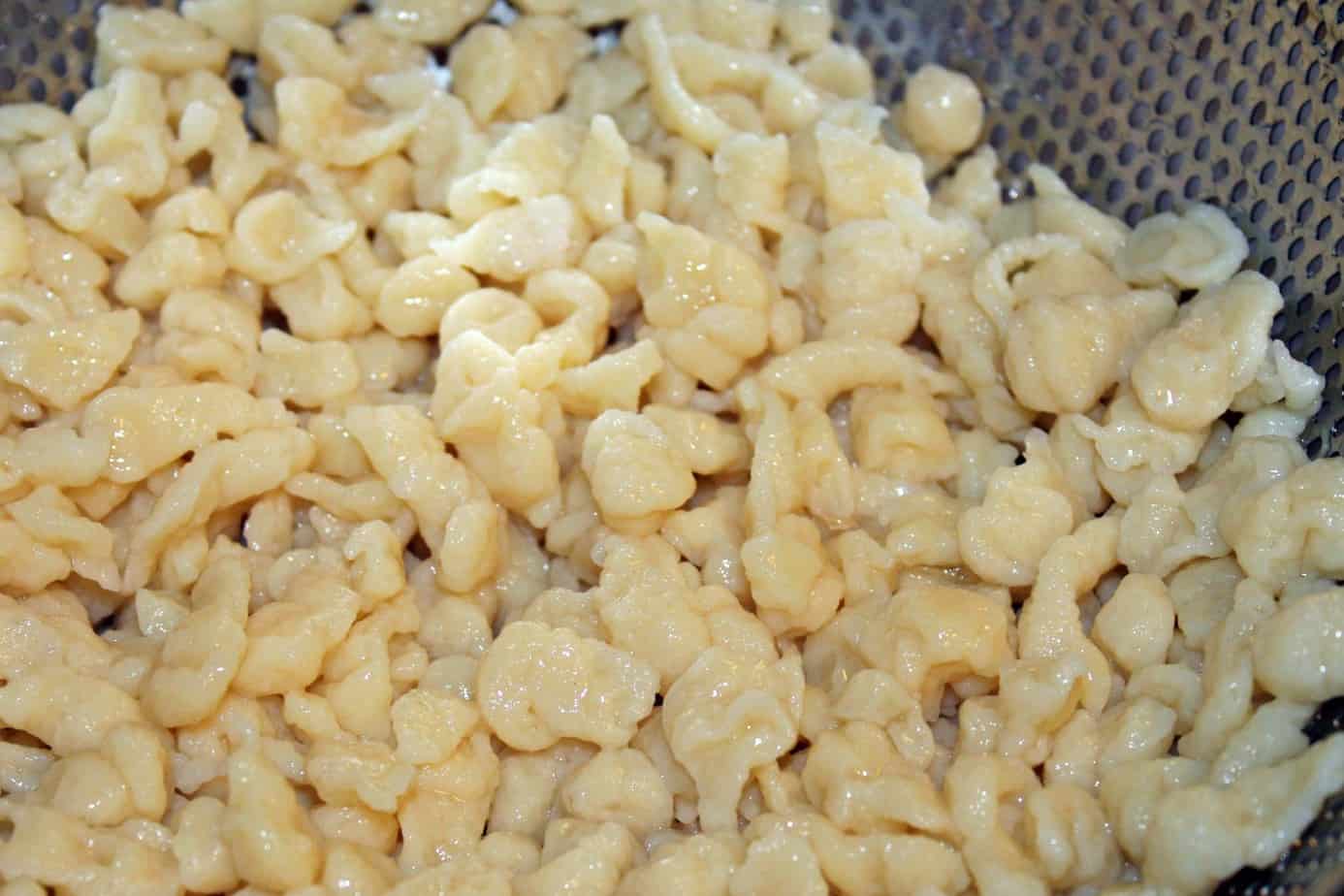
- The spätzle will cook quickly, usually in 2-3 minutes. They are done when they float to the surface. Use a slotted spoon or fine-mesh strainer to remove them and transfer them to a colander to drain and either store or use in a final preparation.
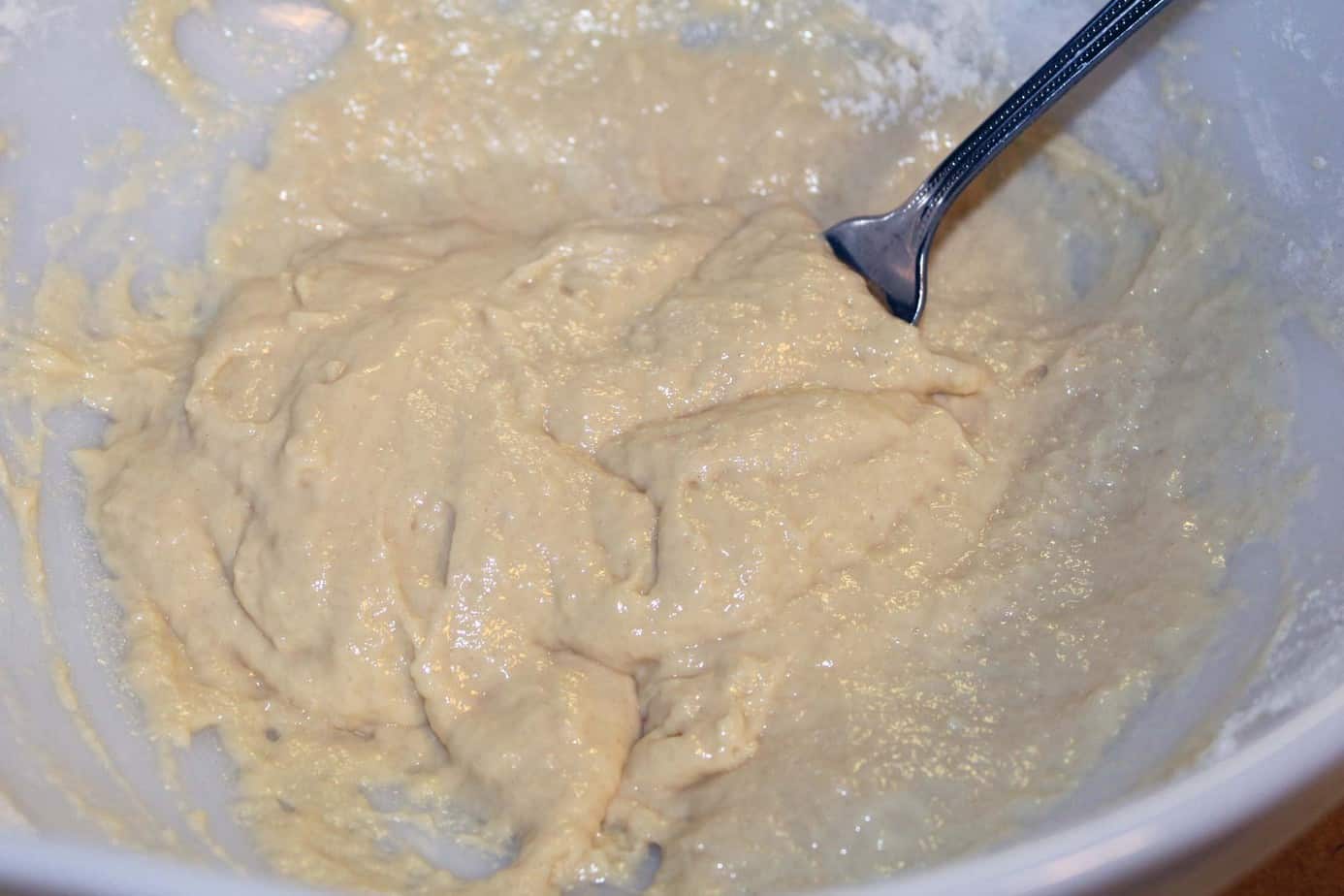
- Combine the flour and salt in another bowl, then gradually add them to the liquids until a soft, smooth dough forms. The consistency should be like a very thick, heavy pancake batter—not so runny that it pours freely, but thick enough to hold its shape as it drips. Cover the bowl and let the batter rest for 10-30 minutes. This allows the flour to fully hydrate and the dough to become more elastic.Loading gallery media…
- For the Cheese Spätzle
- For the best flavor and texture, it is highly recommended to pan-fry spätzle. Melt the butter in a large skillet over medium-high heat. Add the cooked spätzle and fry until they are lightly browned and crispy on the outside.
- Add the shredded cheese to the top in an even layer and cover to allow the cheese to melt. Top with crispy fried onions before serving.

Equipment
 My spätzle makerFind on Amazon
Did you make this recipe?
Tag @RootedInFoods on Instagram and hashtag it with
Like this recipe?
Follow @RootedinFoods on Pinterest
Connect with Us!
Follow us on Facebook
I bet it tastes a lot better than the pasta we are use to here in the USA!
BTW – this is amazing to see the process. Keep traditions going!
Thanks! I love it all dressed up with cheese and nothing else … and it’s really pretty easy to make.